How to Successfully Navigate Forex Trading
Forex trading, often referred to as foreign exchange trading, is the act of buying and selling currencies in order to profit from fluctuations in their exchange rates. For those new to this exciting and dynamic market, it may seem overwhelming at first. However, with the right approach, the necessary tools, and education, you can begin your Forex journey successfully. In this article, we will guide you through the essentials of how to do Forex trading effectively, including strategies, tools, and resources for success. For further information, you can check how do you do forex trading webglobaltrading.com.
Understanding the Basics of Forex
The Forex market is the largest financial market in the world, with a daily trading volume exceeding $6 trillion. Unlike stock markets, which are centralized, Forex operates over-the-counter (OTC), meaning that it does not have a physical exchange and operates 24 hours a day through a network of banks, brokers, and institutions. To get started, it’s crucial to understand some core concepts:
- Currencies: Forex trading involves pairs of currencies. The first currency in a pair is the base currency, while the second is the quote currency. For example, in the pair EUR/USD, the Euro is the base currency and the US Dollar is the quote currency.
- Pips: A pip is a standard unit of measurement for currency movement, representing the smallest price change. Most currency pairs are quoted to four decimal places, and a movement from 1.1150 to 1.1151 represents one pip.
- Leverage: Leverage allows traders to control a larger position than their initial investment. While it can amplify profits, it also increases risk.
Setting Up Your Trading Account
Before you can start trading, you need to set up a Forex trading account. This typically involves the following steps:

- Choose a Broker: Selecting a reliable Forex broker is essential. Look for one that offers a user-friendly platform, competitive spreads, and excellent customer service.
- Open an Account: After choosing a broker, you’ll need to fill out an application form and provide necessary documents for identity verification.
- Fund Your Account: Once your account is approved, you can deposit funds using various methods, including credit cards, bank transfers, or e-wallets.
Developing Your Trading Strategy
Having a solid trading strategy is key to successful Forex trading. There are several approaches you could consider:
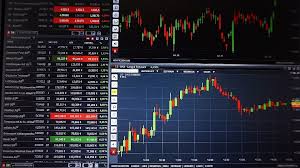
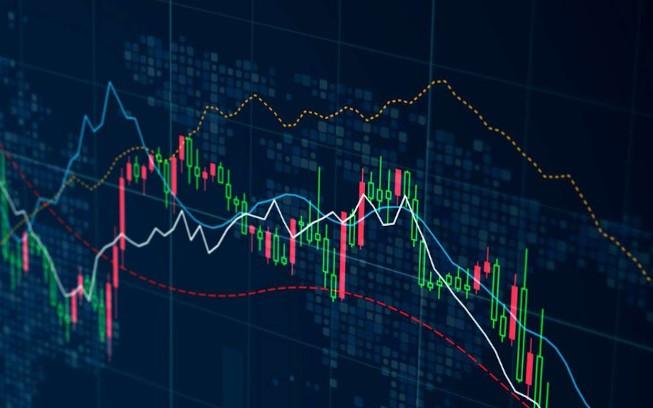
- Technical Analysis: This approach involves analyzing historical currency price movements using charts and indicators to forecast future price trends. Traders often use tools like Moving Averages, MACD, and RSI.
- Fundamental Analysis: Fundamental traders focus on economic indicators, financial news, and geopolitical events that impact currency values. Understanding how interest rates, inflation, and unemployment affect currencies is vital for this strategy.
- Scalping: This strategy aims to make small profits through numerous trades over short periods—often just a few seconds or minutes. It requires a disciplined approach and quick decision-making.
- Swing Trading: Swing traders hold positions for several days or weeks to capitalize on anticipated price moves. This strategy relies on technical and fundamental analysis.
Risk Management
Risk management is vital for preserving your trading capital. Here are a few essential techniques:
- Set Stop-Loss Orders: A stop-loss order automatically closes your position when a trade reaches a certain loss level, helping you manage risk and minimize losses.
- Position Sizing: Determine the appropriate amount of your account balance to risk on each trade. A common rule of thumb is to risk no more than 1-2% of your trading capital on a single trade.
- Diversification: Avoid putting all your capital into one trade or currency pair. Diversifying your trades can help spread risk.
Using Forex Trading Tools
There are numerous tools and platforms available to enhance your Forex trading experience:
- Trading Platforms: Brokers typically provide trading platforms that offer real-time charts, technical indicators, and news feeds. Popular platforms include MetaTrader 4 and MetaTrader 5.
- News Calendars: Stay informed about economic data releases and news events that can impact currency prices. A Forex economic calendar provides valuable insights into upcoming events.
- Automated Trading Systems: These systems can help you execute trades automatically based on pre-defined criteria, saving time and reducing emotional trading.
Continuous Education and Practice
Forex trading is a journey of continuous learning and improvement. Engage in ongoing education through online courses, webinars, and trading seminars. Many brokers offer demo accounts, allowing you to practice trading with virtual currency, helping you develop your skills without risking real money.
Final Thoughts
Forex trading presents exciting opportunities for those willing to invest time and energy into learning the ropes. By understanding the basics, implementing effective strategies, managing risk appropriately, and utilizing trading tools, you can position yourself for success in this vibrant market. Remember that trading is inherently risky; never trade with money you cannot afford to lose. Perseverance, discipline, and continued education are key to thriving as a Forex trader.